High Protein
Meal PrepA 90-Minute Plan for the Whole Week
Same chicken and rice by Wednesday, and bored of it? Cook building blocks instead: one 90-minute session, eight different bowls and a grocery list for the week.
 By Wellio
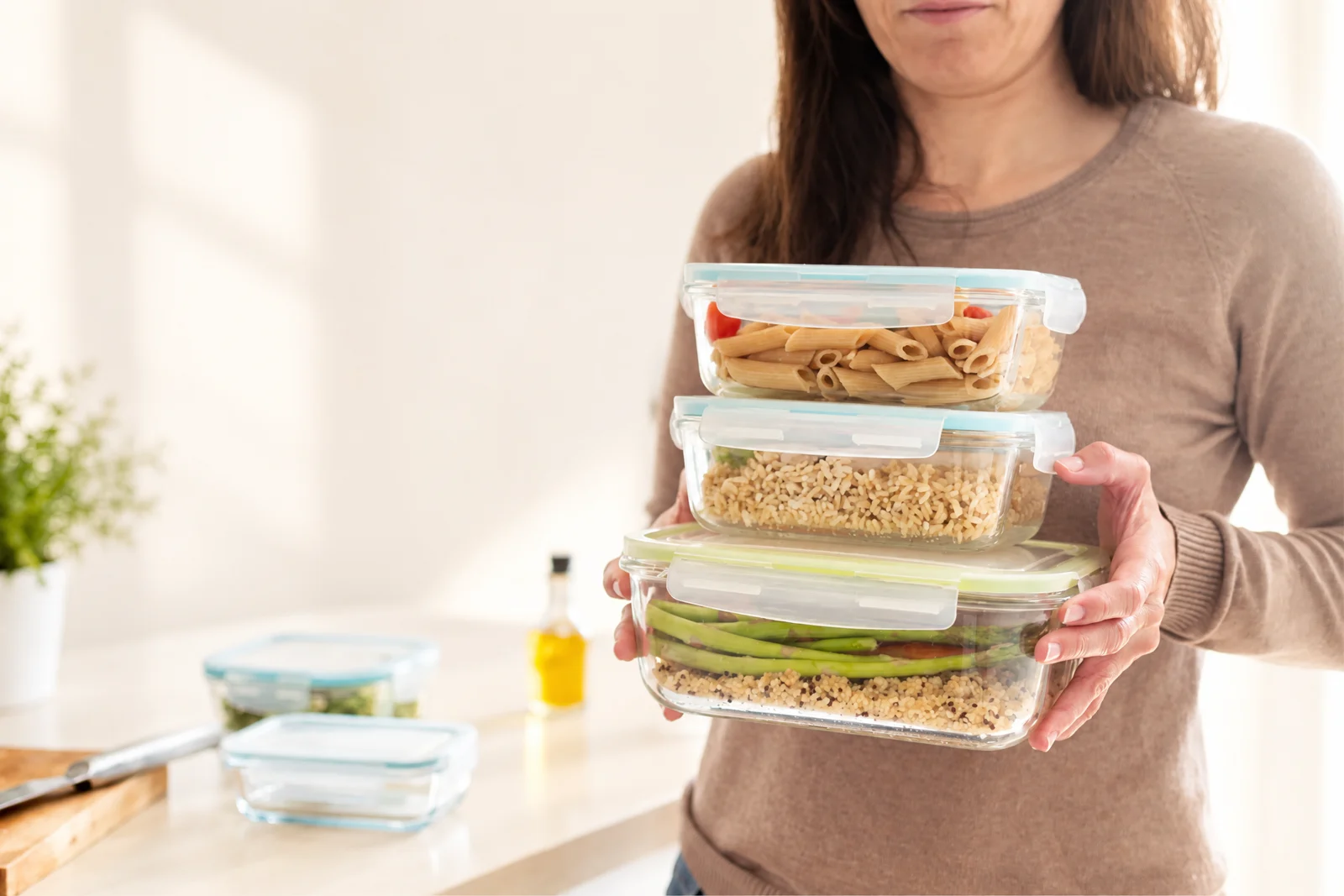
It's Wednesday, 7 p.m. You trained after work, you're starving, and the fridge has half an onion and some yogurt. So it's cereal again, or takeout, and your protein for the day lands somewhere around "not enough." You know you should meal prep, but every plan you've seen involves five identical containers of dry chicken and broccoli and a whole Sunday afternoon.
There's a better way. Most people who stick with meal prep don't cook a full menu. They cook a handful of building blocks and assemble different meals from them, which keeps food interesting and cuts the prep time down to about an hour and a half.
We built this guide around that approach. Below you'll find a step-by-step 90-minute prep plan, eight mix-and-match bowls with protein counts calculated from USDA food data, a grocery list, a plant-based version, budget tips, and food safety guidance from USDA-based sources so you know exactly how long everything keeps. If you're looking for breakfast ideas, we cover those in our high protein breakfast guide; this one is about lunches and dinners.
Why high protein meal prep works (and why it usually fails)
This section covers what makes meal prep stick, so the plan below actually lasts past week one.
Meal prep helps for a simple reason: the decision is already made. When you're tired and hungry, the easiest food wins. If the easiest food is a ready bowl with chicken, beans and rice, that's what you eat.
It usually fails for three reasons:
- Boredom. Eating the same meal five days in a row gets old by Tuesday.
- Too much at once. Planning seven different recipes turns Sunday into a four-hour project.
- Food going off. Cooked food only keeps a few days in the fridge, so day-six meals often end up in the trash.
The component approach fixes all three. You cook a few basics, combine them differently each day, and plan for the fridge window with a small mid-week top-up or a few freezer portions.
How much protein should each meal have?
We'll keep this short, since our protein guide covers it in depth.
For most women who lift, about 1.2 to 1.6 g of protein per kg of body weight per day is a solid target, which is the range in the 2025 to 2030 Dietary Guidelines for Americans. The International Society of Sports Nutrition suggests spreading protein across the day in servings of about 20 to 40 g. For a 140 lb (64 kg) woman, that's roughly 75 to 100 g a day, so two prepped meals of 30 to 45 g cover most of it.
The 90-minute Sunday prep plan
This is the core of the system. The timings assume a standard oven and stovetop, and they're a guide rather than a strict schedule.
What you'll make
- 2 proteins: for example, a tray of chicken breasts and a block of tofu, or ground beef and salmon
- 1 to 2 grains: brown rice and quinoa
- 1 tray of roasted vegetables: broccoli, peppers, zucchini, sweet potato or whatever's in season
- 1 pot of legumes: lentils, or rinsed canned black beans or chickpeas
- 2 sauces: a yogurt herb sauce and a peanut or salsa-style sauce
- Optional: 6 hard-boiled eggs
Step by step
| Time | What to do |
|---|---|
| 0 to 10 min | Preheat the oven to about 425°F. Start rice and quinoa on the stove. Chop vegetables. |
| 10 to 20 min | Season chicken and tofu. Put vegetables on one tray, chicken and tofu on another. Both go in the oven. |
| 20 to 35 min | Cook lentils, or warm and season canned beans. Start eggs if you're making them. |
| 35 to 50 min | Make the sauces: blend yogurt with herbs, garlic and lemon; whisk peanut butter, soy sauce, lime and water. |
| 50 to 65 min | Check chicken is fully cooked with a thermometer (165°F inside). Take trays out as they're done. |
| 65 to 80 min | Let food cool briefly, then portion into shallow containers. |
| 80 to 90 min | Label containers with the date, put everything in the fridge, and freeze anything you won't eat in the next 3 to 4 days. |
Tips that save time
- Use two oven trays at once. Proteins on one, vegetables on the other.
- Buy some shortcuts. Canned beans, pre-cooked lentils, frozen rice and frozen vegetables are all fine.
- Store components separately if you like to mix your bowls fresh each day, or pre-assemble the first two or three days if you prefer grab-and-go.
8 mix-and-match high protein meal prep bowls
These all use the same prepped components. Protein amounts are approximate, calculated from USDA-based food values, and will vary with brands and portions.
Animal protein bowls
1. Chicken burrito bowl (about 44 g protein) 3 oz chicken (26 g), ½ cup black beans (8 g), ½ cup brown rice (3 g), 1 oz cheddar (7 g), plus salsa, peppers and lettuce.
2. Salmon quinoa bowl (about 39 g protein) 3 oz salmon (22 g), 1 cup quinoa (8 g), ½ cup edamame (9 g), plus cucumber, roasted broccoli and a soy-lime dressing.
3. Beef taco bowl (about 35 g protein) 3 oz lean ground beef, 95% lean (18 g), ½ cup black beans (8 g), ½ cup brown rice (3 g), 1 oz cheddar (7 g), plus salsa and lettuce.
4. Mediterranean chicken bowl (about 43 g protein) 3 oz chicken (26 g), ½ cup chickpeas (7 g), ½ cup quinoa (4 g), 2 oz Greek yogurt herb sauce (6 g), plus cucumber, tomato and roasted zucchini.
5. Tuna chickpea salad (about 35 g protein, no reheating needed) 3 oz canned light tuna (22 g), ½ cup chickpeas (7 g), 2 oz Greek yogurt (6 g) as the dressing, plus celery, red onion and lemon. Serve over greens or with crackers.
Plant-based bowls
6. Tofu stir-fry bowl (about 33 g protein) ½ cup firm tofu (22 g), ½ cup edamame (9 g), ½ cup brown rice (3 g), plus roasted peppers and broccoli with peanut or soy sauce.
7. Lentil and egg bowl (about 34 g protein, vegetarian) 1 cup cooked lentils (18 g), 2 hard-boiled eggs (12 g), ½ cup quinoa (4 g), plus roasted sweet potato and the yogurt herb sauce.
8. Tempeh peanut bowl (about 33 g protein) ½ cup tempeh (17 g), ½ cup edamame (9 g), ½ cup quinoa (4 g), 1 tbsp peanut butter in the sauce (4 g), plus shredded cabbage and carrots.
Summary table
| Bowl | Main protein | Approximate protein |
|---|---|---|
| Chicken burrito | Chicken, black beans, cheddar | 44 g |
| Salmon quinoa | Salmon, edamame, quinoa | 39 g |
| Beef taco | Lean beef, black beans, cheddar | 35 g |
| Mediterranean chicken | Chicken, chickpeas, yogurt | 43 g |
| Tuna chickpea salad | Tuna, chickpeas, yogurt | 35 g |
| Tofu stir-fry | Tofu, edamame | 33 g |
| Lentil and egg | Lentils, eggs, quinoa | 34 g |
| Tempeh peanut | Tempeh, edamame, peanut butter | 33 g |
Protein values for common meal prep foods
Use this table to build your own bowls. Values are approximate and based on USDA FoodData Central data (via Nutrition Advance and USDA-based food pages) and the Today's Dietitian protein chart.
| Food | Serving | Protein |
|---|---|---|
| Chicken breast, cooked | 3 oz (85 g) | About 26 g |
| Salmon, cooked | 3 oz (85 g) | About 22 g |
| Canned light tuna | 3 oz (85 g) | About 22 g |
| Lean ground beef (95% lean), cooked | 3 oz (85 g) | About 18 g |
| Firm tofu | ½ cup (126 g) | About 22 g |
| Tempeh | ½ cup (83 g) | About 17 g |
| Lentils, cooked | 1 cup (198 g) | About 18 g |
| Edamame | ½ cup | About 9 g |
| Black beans, cooked | ½ cup | About 8 g |
| Chickpeas, cooked | ½ cup | About 7 g |
| Quinoa, cooked | 1 cup | About 8 g |
| Brown rice, cooked | ½ cup | About 3 g |
| Eggs | 1 large | About 6 g |
| Greek yogurt, plain | 2 oz (about ¼ cup) | About 6 g |
| Cheddar cheese | 1 oz (28 g) | About 7 g |
A useful pattern from this table: the "anchor" proteins (chicken, fish, beef, tofu, tempeh) give you 17 to 26 g per serving. Beans, grains, eggs, yogurt and cheese each add a smaller amount, and together they push a bowl into the 30 to 45 g range.
How long does meal prep last in the fridge?
This is the most important safety question, and the answer shapes how you plan your week.
According to USDA Food Safety and Inspection Service guidance, as summarized by Michigan State University Extension:
- Refrigerate cooked food within 2 hours of cooking.
- Use shallow containers so food cools quickly. The University of Florida extension suggests containers no deeper than about 4 inches.
- Keep your fridge at 40°F or below.
- Eat cooked leftovers within 3 to 4 days.
- Frozen leftovers keep for about 3 to 4 months for best quality.
- Reheat leftovers to 165°F inside, ideally checked with a food thermometer.
- Bring soups, sauces and gravies to a rolling boil when reheating.
What this means for your week
| Day | What to eat |
|---|---|
| Monday to Wednesday | Fridge portions from Sunday's prep |
| Thursday and Friday | Freezer portions from Sunday, moved to the fridge the night before, or a 20-minute mini prep on Wednesday |
| Weekend | Fresh cooking, eating out, or leftovers from a new batch |
A few extra habits help:
- Label every container with the date you cooked it.
- Freeze two or three portions on Sunday so the end of the week is covered.
- When in doubt, throw it out. Smell and appearance aren't reliable signs that food is safe.
High protein meal prep grocery list
Here's a starting grocery list for one person for about five prepped lunches or dinners. Adjust quantities to your appetite and household.
Proteins
- 1 to 1.5 lb chicken breast or thighs
- 1 block (14 to 16 oz) firm tofu, or a package of tempeh
- 1 can light tuna or 2 salmon fillets
- 1 dozen eggs
- 1 large tub plain Greek yogurt
Legumes and grains
- 2 cans black beans or chickpeas, or 1 cup dry lentils
- 1 bag brown rice and 1 bag quinoa (or frozen pre-cooked versions)
- 1 bag frozen shelled edamame
Vegetables and extras
- 2 to 3 trays' worth of vegetables: broccoli, peppers, zucchini, sweet potatoes, cabbage
- Salad greens, cucumbers, tomatoes
- Lemons or limes, garlic, fresh herbs
- Salsa, soy sauce, peanut butter, olive oil, spices
- A block of cheddar (optional)
How to make meal prep cheaper
High protein eating can get expensive. These swaps keep the protein up and the cost down.
- Lean on legumes. Dry lentils and canned beans are some of the cheapest protein foods per serving.
- Buy chicken thighs or family packs and freeze what you won't cook this week.
- Use eggs, canned tuna and tofu as regular anchors; they're usually cheaper per serving than fresh fish or steak.
- Buy frozen vegetables and frozen rice. They're often cheaper, last longer and save prep time.
- Cook dry grains in bulk instead of buying single-serve packs.
- Plan around what's on sale and swap proteins freely; the bowl formulas work with almost anything.
Vegetarian high protein meal prep
If you eat little or no meat, the same system works. You just choose different anchors.
- Anchors: firm tofu (about 22 g per ½ cup), tempeh (about 17 g per ½ cup), lentils (about 18 g per cup), eggs (6 g each), Greek yogurt.
- Boosters: edamame, chickpeas, black beans, quinoa, cheese.
- Combine two or three sources per bowl. Plant foods often have less protein per serving, so stacking them is how you reach 30 g.
Bowls 6, 7 and 8 above are plant-based or vegetarian. If you eat dairy and eggs, the lentil and egg bowl and a yogurt-dressed chickpea salad are easy additions. If you have food allergies or a medical condition that affects your diet, a registered dietitian can help you adapt the plan.
The no-numbers version
If counting grams isn't your thing, or it makes food feel stressful, use this simpler rule for every prepped meal:
- A palm-to-hand-sized portion of protein (chicken, fish, tofu, tempeh, beans or lentils)
- A fist-sized portion of carbs (rice, quinoa, potatoes, bread)
- At least a fist of vegetables
- A thumb or two of sauce, cheese or healthy fat
Adjust portions up or down depending on how hungry you are and how active your day is. On training days, many people find they want a bigger portion of carbs.
Put it together: your week
Meal prep works best when it fits your training, energy and schedule. Here's how a week might look.
- Sunday: 90-minute prep. Fridge portions for Monday to Wednesday, two freezer portions for Thursday and Friday.
- Training days: Take a bowl with a bit more rice or quinoa if you train hard, and eat within a few hours after your session.
- Rest days: Same protein, and let appetite guide the carbs.
- After a bad night's sleep: Hunger often rises after short sleep. A protein-rich bowl at lunch makes it easier to avoid running on snacks all afternoon.
- Wednesday: Quick check of the fridge. Move freezer portions down or do a 20-minute top-up: a fresh batch of eggs, a can of tuna, a new sauce.
- Weekend: Cook fresh, eat out, or try a new recipe. Meal prep is a tool for busy days, not a rule for every meal.
Frequently asked questions
What is the best high protein meal prep for beginners?
Start with components instead of full recipes: one protein like chicken or tofu, one grain, a tray of roasted vegetables, canned beans and a simple sauce. Mix them into a few different bowls through the week. It takes about 90 minutes and gives you 30 to 45 g of protein per meal.
How long does meal prep last in the fridge?
Cooked leftovers should be eaten within 3 to 4 days, according to USDA-based food safety guidance. Refrigerate food within two hours of cooking, keep the fridge at 40°F or below, and freeze anything you won't eat in that window.
Can you freeze meal prep?
Yes. Most cooked proteins, grains, beans and sauces freeze well for about 3 to 4 months for best quality. Freeze in portions, label with the date, and reheat to 165°F. Leafy salads and cucumbers don't freeze well, so add them fresh.
How much protein should a meal prep bowl have?
Around 30 to 45 g works well for most women who lift. That's in line with the 20 to 40 g per serving the International Society of Sports Nutrition suggests, and two such meals cover most of a typical daily target.
What is a good vegetarian high protein meal prep?
Build bowls around tofu, tempeh, lentils or eggs, then add edamame, chickpeas or quinoa. A tofu stir-fry bowl with edamame or a lentil bowl with two eggs both come out around 33 to 34 g of protein.
Is meal prep good for building muscle?
It helps because it makes eating enough protein consistent on busy days, which is one of the factors that supports muscle gain alongside training and sleep. The food itself isn't special; the consistency is what matters.
Conclusion
High protein meal prep doesn't have to mean a whole Sunday in the kitchen or five identical boxes of chicken and broccoli. Cook a few building blocks in about 90 minutes, mix them into different bowls with 30 to 45 g of protein each, and follow simple food safety rules: refrigerate within two hours, eat within 3 to 4 days, freeze the rest, and reheat to 165°F.
Start with one prep session this week and two or three bowl combinations you like. Once it feels easy, add more variety. The goal isn't perfect meals every day; it's having a good option ready when you need it most.
This article is for general education and isn't medical advice.
If you want help putting this into your own week, Wellio is an AI coach that sees the whole picture: it builds your plan around your workouts, meals, sleep and energy, and guides you day by day as life changes. Snap a photo of your prepped bowl, or log it by voice or text, to get an estimate of its protein, and choose daily targets or simple no-numbers guidance. Join the Wellio waitlist.
Sources
- American Academy of Family Physicians. Dietary Guidelines for 2025 to 2030: Recommendations From the USDA and HHS. American Family Physician, 2026.aafp.org
- Jäger R, et al. International Society of Sports Nutrition Position Stand: protein and exercise. Journal of the International Society of Sports Nutrition, 2017.cdr.lib.unc.edu
- Michigan State University Extension. Handling Leftovers (citing USDA Food Safety and Inspection Service, Leftovers and Food Safety).canr.msu.edu
- University of Florida IFAS Extension. Food Safety for Leftovers, 2017.blogs.ifas.ufl.edu
- Nutrition Advance. Highest protein foods per 100 grams (USDA FoodData Central data).nutritionadvance.com
- Today's Dietitian. Protein Content of Foods.assets.todaysdietitian.com
- USDA FoodData Central, brown rice, cooked (FDC 169704), via ProteinPer100g.proteinper100g.pages.dev
- USDA FoodData Central, cheddar cheese (FDC 328637), via GetFoodFacts.getfoodfacts.com
Make it work
for your week.