How Much Fiber
Do I Need?What Fibermaxxing Gets Right (and Wrong)
Fibermaxxing is all over your feed, but how much do you actually need? Here is the daily target, the foods that get you there, and how to add more without the bloat.
 By Wellio
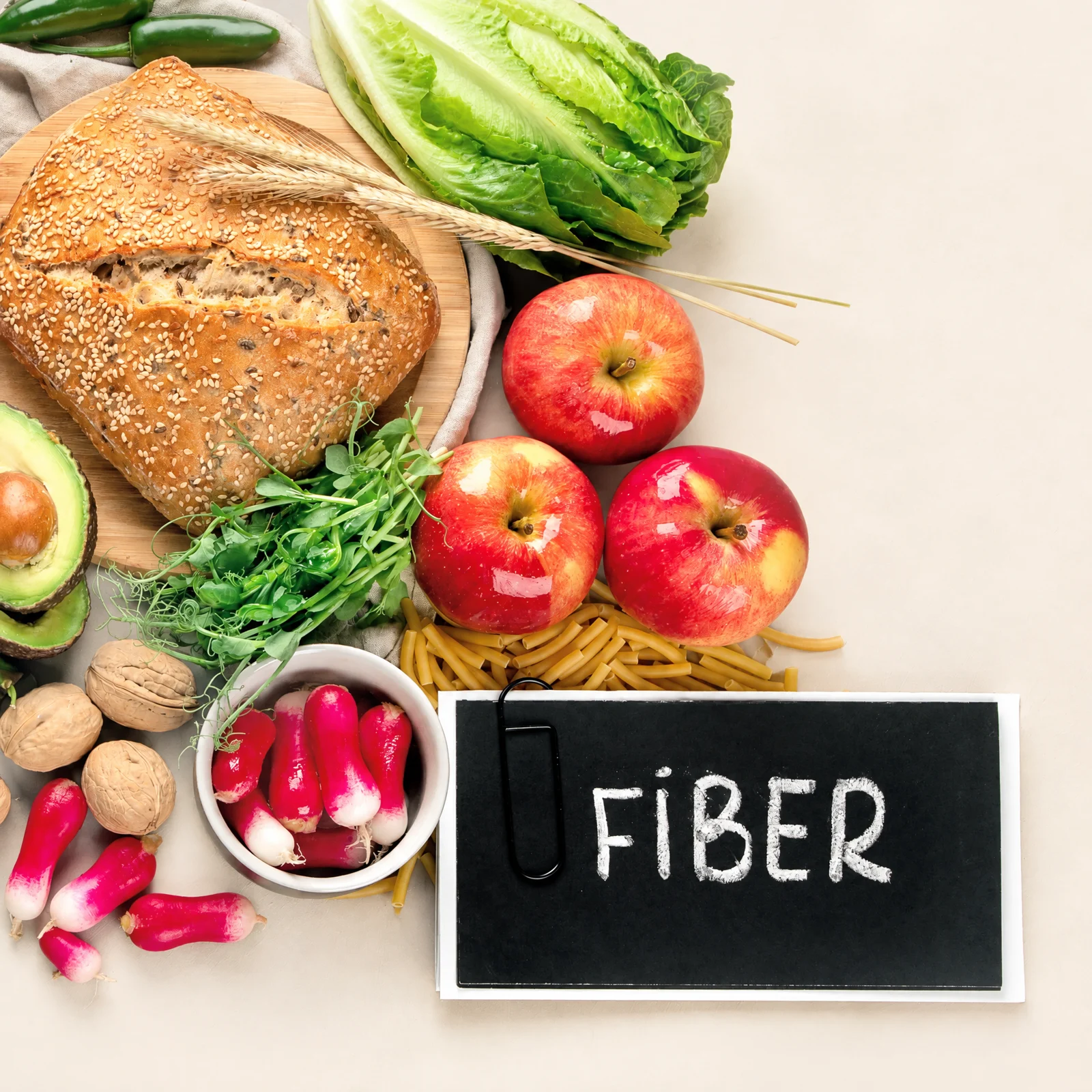
You've probably seen it by now: "fibermaxxing," the trend of piling chia seeds, beans and berries into every meal and counting how many different plants you eat in a week. After years of everyone obsessing over protein, fiber is suddenly having a moment.
And honestly, this is one viral nutrition trend that has real research behind it. Most people don't eat nearly enough fiber, and higher intakes are linked with better long-term health. But like most trends, it can go too far, too fast. Jumping from very little fiber to 50 g a day overnight is a reliable way to spend the afternoon bloated and uncomfortable, especially before a workout.
We looked at the main evidence: a large meta-analysis commissioned by the World Health Organization, US intake data, a systematic review on fiber and fullness, and guidance from the National Institutes of Health and Cleveland Clinic. Below we cover how much fiber you actually need, why it matters, which foods give you the most, how to pair it with protein, how to increase it without stomach trouble, and when digestive changes are worth a doctor's visit.
How much fiber do I need per day?
This section gives you the number, and where it comes from.
The long-standing US recommendation, from the Dietary Guidelines and the National Academies, is 14 g of fiber for every 1,000 calories you eat. In practice that works out to:
| Group | Typical daily target |
|---|---|
| Women (about 2,000 calories a day) | About 25 g |
| Men (about 2,500 calories a day) | About 38 g |
| Adults over 50 | Somewhat lower targets |
These figures come from an American Society for Nutrition summary of US intake research. If you eat more because you train a lot, your target rises with it: at 2,400 calories, 14 g per 1,000 calories is about 34 g.
What the newer research suggests
A 2019 series of systematic reviews and meta-analyses in The Lancet by Reynolds and colleagues, commissioned by the World Health Organization, pooled prospective studies covering roughly 135 million person-years plus 58 clinical trials. People who ate the most fiber had a 15% to 30% lower risk of death from cardiovascular disease and lower rates of heart disease, stroke, type 2 diabetes and colorectal cancer than those who ate the least. The benefits were strongest at around 25 to 29 g a day, with signs that more than 30 g might add further benefit for some outcomes. In the clinical trials, higher fiber intakes were linked to lower body weight, blood pressure and cholesterol.
The observational parts of this research show associations, not proof that fiber alone causes these benefits. People who eat more fiber tend to eat more whole foods overall. But the pattern is consistent and large, which is why fiber shows up in nearly every major dietary guideline.
What about the new 2025 to 2030 Dietary Guidelines?
The 2025 to 2030 Dietary Guidelines for Americans still encourage vegetables, fruits and whole grains, but nutrition experts have noted that fiber is less directly emphasized than in previous editions. A panel discussing the new guidelines in early 2026 pointed out that the stronger focus on animal protein could push aside beans, lentils, nuts and seeds, which provide both protein and fiber. So it's worth being intentional about fiber, especially if you've recently upped your protein.
Most people don't get close
This is why the fibermaxxing trend has a point.
Research presented at the American Society for Nutrition's 2021 meeting, using national survey data from more than 14,600 US adults, found that only about 7% of adults met fiber recommendations: 9% of women and 5% of men. On average, women ate about 9.9 g of fiber per 1,000 calories, roughly 70% of the recommended amount. (This was preliminary research presented at a conference, but it matches the long-standing picture.) Reynolds, the lead author of the Lancet review, noted that average fiber intake is under 20 g a day worldwide and around 15 g a day in the US.
So if you've never paid attention to fiber, there's a good chance you're eating well under 25 g. That gap is the part fibermaxxing gets right.
What fiber actually does in your body
This section covers the main types and why they matter.
Fiber is the part of plant foods your body can't fully digest. It's often grouped into two broad types:
| Type | What it does | Where you find it |
|---|---|---|
| Soluble fiber | Forms a gel in the gut; associated with steadier blood sugar and lower cholesterol | Oats, beans, lentils, chia seeds, apples, citrus |
| Insoluble fiber | Adds bulk to stool and helps food move through the gut | Whole grains, wheat bran, nuts, vegetables, fruit skins |
Most fiber-rich foods contain a mix of both, so you don't need to track types separately. Eating a variety of plant foods covers them.
Fiber also feeds the bacteria in your large intestine, which is the "gut health" angle of the trend. The goal of eating many different plants each week, often framed as "30 plants a week" on social media, is a simple way to get variety. The exact number is a popular target rather than an official recommendation, but variety itself is a sensible goal.
Does fiber help you feel full?
Fiber is often promoted as an appetite tool. The research is more mixed than the posts suggest.
A systematic review by Clark and Slavin in the Journal of the American College of Nutrition looked at 44 publications testing 107 fiber treatments. Only 39% of treatments significantly reduced appetite, and only 22% reduced how much people ate at the next meal in these short-term studies. Some specific fibers, including beta-glucan (found in oats and barley), rye bran and whole-grain rye, and a mixed high-fiber diet, had more consistent effects.
In other words, adding a fiber powder to a drink probably won't change your hunger much. Building meals around whole, fiber-rich foods, which are usually bulkier and take longer to eat, is a more realistic way to feel satisfied. Pairing fiber with protein helps too, which brings us to the next block.
The best high-fiber foods (with real serving sizes)
This section gives you the numbers to plan meals. Values are from USDA FoodData Central, as compiled by University Hospitals, and vary by brand and preparation.
Beans, lentils and seeds
| Food | Serving | Fiber |
|---|---|---|
| Navy beans, cooked | ½ cup | About 9.6 g |
| Split peas, cooked | ½ cup | About 8.2 g |
| Lentils, cooked | ½ cup | About 7.8 g |
| Black beans, cooked | ½ cup | About 7.5 g |
| Chickpeas, cooked | ½ cup | About 6.3 g |
| Edamame, cooked | ½ cup | About 4.1 g |
| Chia seeds | 1 tbsp | About 4.1 g |
| Almonds | 1 oz | About 3.5 g |
Fruits and vegetables
| Food | Serving | Fiber |
|---|---|---|
| Artichoke, cooked | 1 cup | About 9.6 g |
| Green peas, cooked | 1 cup | About 8.8 g |
| Raspberries | 1 cup | About 8.0 g |
| Brussels sprouts, cooked | 1 cup | About 6.4 g |
| Sweet potato, cooked | 1 cup | About 6.3 g |
| Pear | 1 medium | About 5.5 g |
| Broccoli, cooked | 1 cup | About 5.2 g |
| Avocado | 1 cup | About 5.0 g |
| Apple, with skin | 1 medium | About 4.8 g |
| Orange | 1 medium | About 3.7 g |
| Banana | 1 medium | About 3.2 g |
Grains and snacks
| Food | Serving | Fiber |
|---|---|---|
| Popcorn | 3 cups | About 5.8 g |
| Toasted oat cereal | 1 cup | About 3.0 g |
| Oat bran | ½ cup | About 2.9 g |
| Whole-wheat tortilla | 1 oz | About 2.8 g |
The quick takeaway: beans and lentils are the most efficient fiber foods, followed by berries, peas and many vegetables. A single ½ cup of beans covers almost a third of a 25 g target.
Fiber and protein: the combination worth building around
If you lift, you've probably been focused on protein. Fiber doesn't compete with it; some of the best foods give you both.
| Food | Serving | Fiber | Protein |
|---|---|---|---|
| Lentils, cooked | ½ cup | About 7.8 g | About 9 g |
| Black beans, cooked | ½ cup | About 7.5 g | About 8 g |
| Chickpeas, cooked | ½ cup | About 6.3 g | About 7 g |
| Edamame | ½ cup | About 4.1 g | About 9 g |
| Almonds | 1 oz | About 3.5 g | About 6 g |
Protein values are from the Today's Dietitian Protein Content of Foods chart; edamame protein values vary by source.
Practical ways to combine them:
- Greek yogurt plus berries and chia seeds: protein from yogurt, fiber from the toppings.
- Chicken or tofu bowls with beans or lentils: add ½ cup to whatever protein you already eat.
- Eggs with vegetables and a whole-grain tortilla.
- Edamame or roasted chickpeas as snacks instead of something with neither.
What a 25 to 35 g fiber day looks like
Here's how the numbers turn into real food.
About 28 g of fiber
| Meal | What you eat | Fiber |
|---|---|---|
| Breakfast | Greek yogurt with 1 cup raspberries and 1 tbsp chia seeds | About 12.1 g |
| Lunch | Salad or bowl with ½ cup chickpeas | About 6.3 g |
| Snack | 1 medium apple | About 4.8 g |
| Dinner | Salmon or tofu with 1 cup broccoli | About 5.2 g |
| Total | About 28 g |
About 36 g of fiber (once you've built up)
| Meal | What you eat | Fiber |
|---|---|---|
| Breakfast | Greek yogurt with 1 cup raspberries and 1 tbsp chia seeds | About 12.1 g |
| Lunch | Lentil bowl: ½ cup lentils, 1 cup broccoli, protein of choice | About 13.0 g |
| Snack | 1 medium apple | About 4.8 g |
| Dinner | Chicken or tofu with 1 cup sweet potato | About 6.3 g |
| Total | About 36 g |
These totals only count the main fiber foods; other ingredients add a little more.
The no-numbers version
If counting grams isn't for you, a simple rule works well: include at least one fruit or vegetable at every meal, and a bean, lentil, whole grain, nut or seed at most meals. That usually gets people within range without tracking.
How to eat more fiber without the bloat
This is where fibermaxxing often goes wrong. A sudden jump can cause gas, bloating and discomfort.
The National Institute of Diabetes and Digestive and Kidney Diseases (NIDDK) advises adding fiber "a little at a time so your body gets used to the change." Clinicians commenting on the fibermaxxing trend have also stressed that rapid increases should be managed gradually to avoid significant digestive discomfort.
A practical approach (these specific steps are common advice, not tested protocols):
- Start with where you are. Add one fiber-rich food a day for the first week, like berries at breakfast.
- Add another every few days. Many dietitians suggest increasing by a few grams at a time.
- Drink enough fluids. Fiber works best with adequate water; increasing both together is common advice.
- Cook and rinse beans if they bother you. Many people tolerate cooked and canned (rinsed) beans better as they adjust.
- Spread fiber across the day rather than having it all in one meal.
- Give it two to three weeks. Most people's digestion adjusts to a higher fiber intake over time.
Can you have too much fiber?
For most people eating whole foods, reaching 25 to 35 g a day is not a problem. Going well beyond that quickly, or relying on large amounts of fiber supplements, is more likely to cause discomfort. Some people, including those with irritable bowel syndrome (IBS), may find high-fiber foods trigger symptoms and need a more tailored approach. If that's you, a doctor or registered dietitian can help.
Fiber around workouts
High-fiber meals digest more slowly, which is good for fullness but not always ideal right before training. This block covers timing. These are common practical suggestions, not research-based rules.
- Right before a workout (within about an hour): choose lower-fiber, easy-to-digest foods like a banana or toast, especially if you're sensitive.
- A few hours before: a normal meal with moderate fiber is usually fine.
- After training: a great time for a high-fiber, high-protein meal, like a bean and chicken bowl or lentil soup.
- On race or competition days: many athletes reduce fiber the day before and the morning of to avoid stomach issues.
Everyone's tolerance is different. If a big bean lunch before your evening lift leaves you uncomfortable, move the beans to dinner.
When to see a doctor
Increasing fiber is safe for most people, but some digestive changes are worth checking. According to Cleveland Clinic and the NIDDK, see a health care provider if you have:
- Constipation or diarrhea lasting more than two weeks
- Blood in your stool, bleeding from the rectum, or stool that's black, tarry, maroon or deep red
- Continual or intense abdominal pain
- Sudden, urgent needs to have a bowel movement, or loss of bowel control
- Severe diarrhea with fever, chills, vomiting or fainting
Seek emergency care for signs of a bowel obstruction, such as constipation with nausea, vomiting, belly pain and being unable to pass gas.
If you have IBS, inflammatory bowel disease (like Crohn's or ulcerative colitis), or another digestive condition, talk to your doctor or a registered dietitian before making big changes to your fiber intake.
Put it together: your week
Fiber fits into the same picture as your training, protein, sleep and energy. Here's how to connect them.
- Week 1: Add one fiber food a day, like berries or chia at breakfast.
- Week 2: Add beans or lentils to three or four meals across the week.
- Week 3: Aim for fruit or vegetables at every meal and a bean, grain, nut or seed at most meals.
- Training days: Keep the highest-fiber meal after your workout. Pre-workout, choose easier foods.
- Protein days: Use beans, lentils and edamame to add fiber to protein-focused meals without extra effort.
- After a bad night's sleep: Hunger often goes up after short sleep. A fiber-and-protein breakfast like yogurt, berries and chia can help you feel more settled.
- Check in after 3 to 4 weeks: How's your energy, digestion and hunger between meals? If you feel good, keep going. If you're uncomfortable, slow down.
Frequently asked questions
How much fiber do I need a day as a woman?
About 25 g a day for most women, based on the US recommendation of 14 g per 1,000 calories. If you eat more because you're active, your target rises with your intake. A large Lancet review found the biggest health benefits at around 25 to 29 g a day or more.
What is fibermaxxing?
Fibermaxxing is a social media trend focused on eating much more fiber, often from foods like chia seeds, beans and berries, and eating a wide variety of plants each week. The core idea is sound, since most people eat too little fiber, but increasing very quickly can cause bloating and discomfort.
Can you eat too much fiber?
Yes, especially if you increase too quickly or rely on large amounts of supplements. This can cause gas, bloating and discomfort. Getting 25 to 35 g a day from whole foods, built up gradually, is a reasonable range for most people. People with IBS may need a tailored approach.
What foods are highest in fiber?
Beans and lentils are among the best sources, with about 6 to 10 g per ½ cup. Raspberries, green peas, artichokes, Brussels sprouts, sweet potatoes, pears and chia seeds are also high. Variety across fruits, vegetables, whole grains, nuts and seeds covers both soluble and insoluble fiber.
Should I eat fiber before a workout?
A normal meal a few hours before training is usually fine. In the hour before, many people do better with lower-fiber, easy-to-digest foods like a banana or toast. Save your highest-fiber meals for after your workout.
Do fiber supplements work as well as food?
Whole foods are the better first choice because they come with vitamins, minerals and other nutrients, and research on fiber and fullness shows mixed results for isolated fibers. If you're considering a fiber supplement, especially for a medical reason, talk to your doctor or pharmacist.
Conclusion
So, how much fiber do you need? For most women, about 25 g a day, and research links 25 to 29 g or more with lower risk of heart disease, type 2 diabetes and colorectal cancer. Since fewer than 1 in 10 adults get there, the fibermaxxing trend is pointing in a genuinely helpful direction.
The trick is to do it gradually. Add a fiber food or two each week, lean on beans, lentils, berries and vegetables, pair fiber with protein, and keep the biggest servings away from right before your workouts. Your digestion will thank you, and so will your long-term health.
This article is for general education and isn't medical advice.
If you want help putting this into your own week, Wellio is an AI coach that sees the whole picture: it builds your plan around your workouts, meals, sleep and energy, and guides you day by day as life changes. Log a meal by photo, voice or text to get an AI estimate of what's on your plate, and choose daily targets or simple no-numbers guidance, whichever suits you. Join the Wellio waitlist.
Sources
- Reynolds A, et al. Carbohydrate quality and human health: a series of systematic reviews and meta-analyses. The Lancet, 2019 (summary via TCTMD).tctmd.com
- American Society for Nutrition. Most Americans are not getting enough fiber in our diets (Miketinas et al., NUTRITION 2021).nutrition.org
- HCPLive. Fiber, whole grains and other gaps in the 2025 to 2030 guidelines, 2026.hcplive.com
- Clark MJ, Slavin JL. The effect of fiber on satiety and food intake: a systematic review. Journal of the American College of Nutrition.nutrition-evidence.com
- University Hospitals. USDA Fiber Food Sources (USDA FoodData Central data).uhhospitals.org
- Today's Dietitian. Protein Content of Foods.assets.todaysdietitian.com
- National Institute of Diabetes and Digestive and Kidney Diseases. Constipation.niddk.nih.gov
- Cleveland Clinic. Stool Changes: What Do They Mean and When Should I See a Doctor?.my.clevelandclinic.org
- 2 Minute Medicine. TikTok "fibermaxxing" trend targets gut microbiome health, 2026.2minutemedicine.com
Make it work
for your week.